Locs
Introduction to Locs
Locs, also known as dreadlocks, are a unique and culturally rich hairstyle formed by matting or twisting hair. While they are often associated with the Rastafarian movement, locs have been worn by various cultures across the globe, including in Africa and among Indigenous peoples in the Americas. Understanding locs involves exploring their types, cultural significance, maintenance, and care.
The Different Types of Locs
There are several types of locs, each varying in size, texture, and formation method. Here’s a detailed overview:
1. Traditional Locs (Dreadlocks):
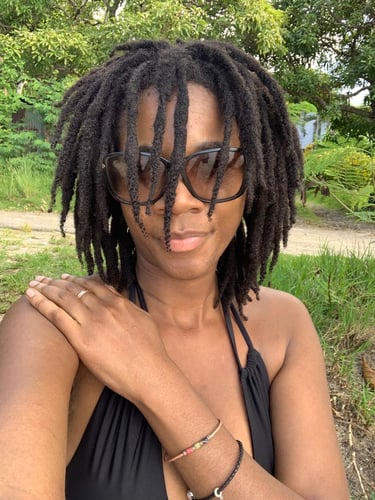
Also known as rope locs or standard locs, these are usually formed by twisting sections of hair. Traditional locs can vary in thickness and length and are often styled in a way that allows for neat and distinct sections.
2. Sisterlocks:
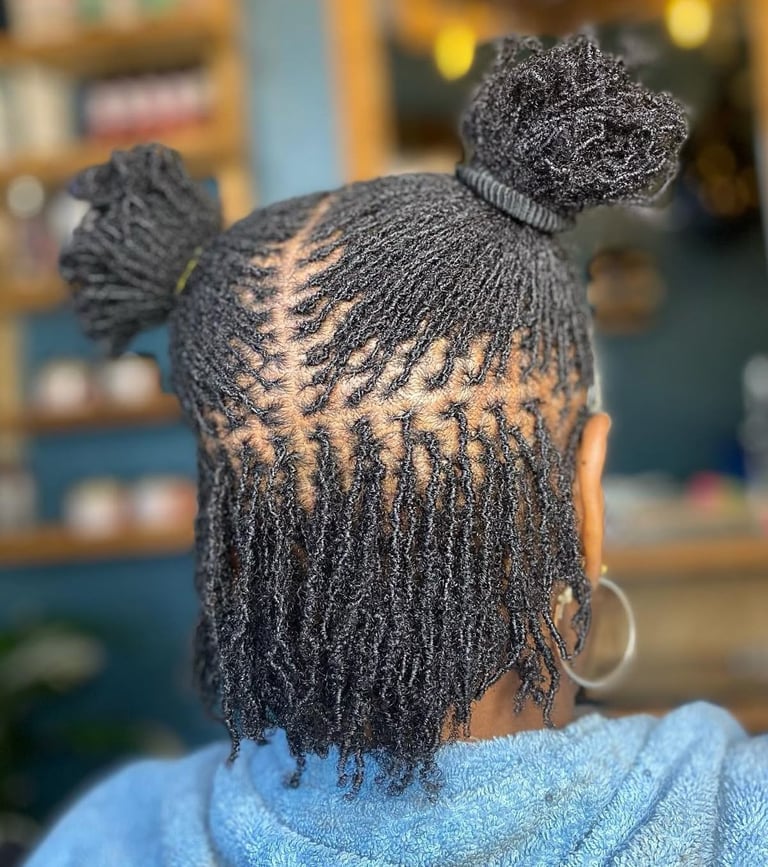
Sisterlocks are a refined and smaller version of traditional locs. They are created using a special interlocking method that locks the hair without braiding or twisting. Sisterlocks are ideal for fine hair and can create a very versatile and lightweight look.
3. Freeform Locs:
- As the name suggests, freeform locs grow naturally without manipulation. Individuals who choose this method often embrace the organic look and feel of their hair as it matures, leading to a unique texture and shape.
4. Microlocs:
- Similar to sisterlocks but can be created using various techniques, microlocs are smaller than traditional locs and can be styled individually. They require patience and care, but they can produce stunning results.
5. Braidlocs:
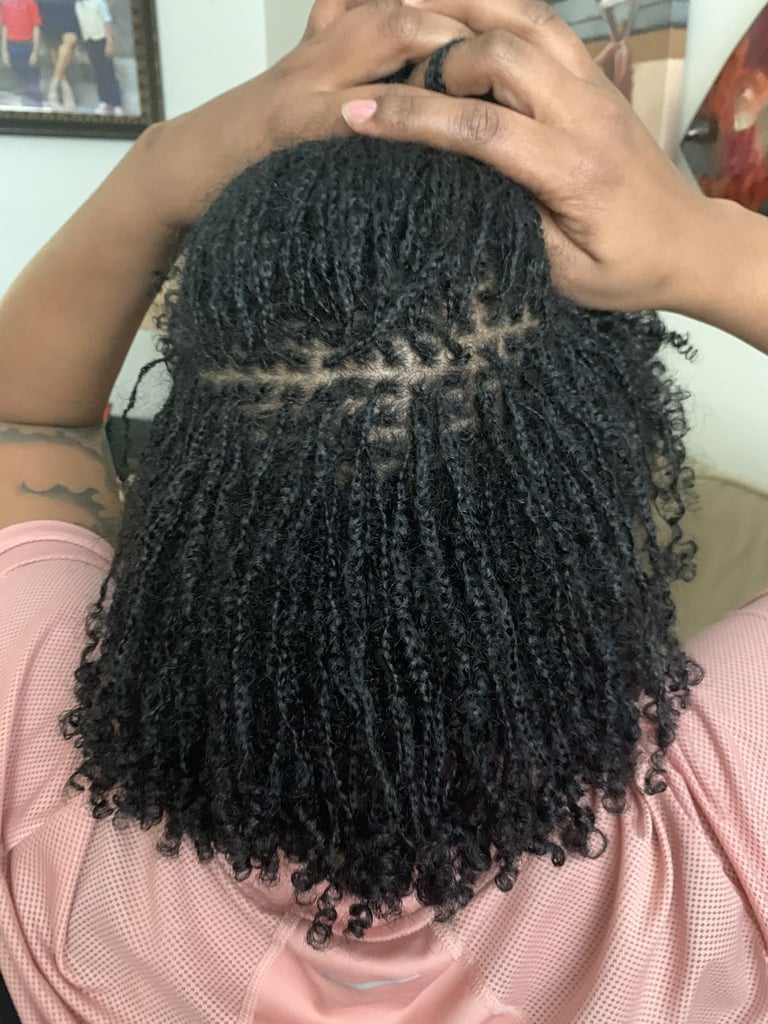
- Braidlocs are created by braiding the hair before allowing it to lock. The braids preserve the plaited pattern, resulting in a distinctive texture and style. They often take longer to mature but can create beautiful outcomes.
The Cultural Significance of Locs
Locs carry profound cultural significance in many societies, often symbolizing identity, spirituality, and resistance.
- African Heritage: Locs have deep roots in African culture, often representing an individual's tribal affiliation or status. In ancient Egypt, for instance, locs were worn by pharaohs and noble classes, symbolizing power and divinity.
- Rastafarianism: In this religious movement, locs symbolize a spiritual connection to Jah (God) and an embrace of natural living. Rastafarians often avoid cutting their hair, believing that doing so may sever their connection with their faith.
- Social Statements: For many, locs are a form of self-expression and a rejection of mainstream beauty standards, often promoting messages of cultural pride and individuality.
Care and Maintenance of Locs
Maintaining locs requires commitment, knowledge, and proper products to ensure healthy hair. Here are some key tips for caring for locs:
1. Washing:
- Frequency: It's important to wash locs regularly to keep the scalp clean and free from buildup. This might be every 1-2 weeks, depending on hair type.
- Method: Use a residue-free shampoo that won’t leave sticky residue. Some people prefer to dilute shampoo in water for easier distribution.
- Drying: Ensure locs are thoroughly dried after washing, as moisture can lead to mildew or odor.
2. Moisturizing:
- Locs can become dry, so regular moisturizing is essential. Use lightweight oils such as jojoba, coconut, or argan oil to help seal in the moisture without causing buildup.
3. Retwisting vs. Interlocking:
- Depending on the type of locs, you may choose to retwist or interlock to keep them looking neat. Retwisting can be done every 4-8 weeks, while interlocking can be done less frequently.
4. Protective Styling:
- Protecting locs from wear and tear is essential. Prevent constant friction from collars and hats by using scarves or bonnets when sleeping or exercising.
5. Avoiding Buildup:
- Be cautious with products that can lead to buildup in locs. Heavy creams and conditioners should be avoided; instead, opt for lighter products.
6. Trimming:
- While many people avoid cutting their locs, occasional trimming can help manage split ends and promote healthier growth.
7. Consulting Professionals:
- Consider visiting a loctician (a stylist specializing in locs) for professional maintenance to ensure your locs are cared for correctly.
Locs are more than just a hairstyle; they embody cultural heritage and identity, and offer a means of self-expression. With multiple types and varied methods of maintenance, understanding how to care for them properly is key to embracing this beautiful style. Whether you are just starting your loc journey or are a seasoned wearer, taking the time to learn about the different types of locs and how to maintain them will ensure that your locs remain healthy, vibrant, and uniquely yours. Embrace the journey and enjoy the evolution of your locs as they grow with you.


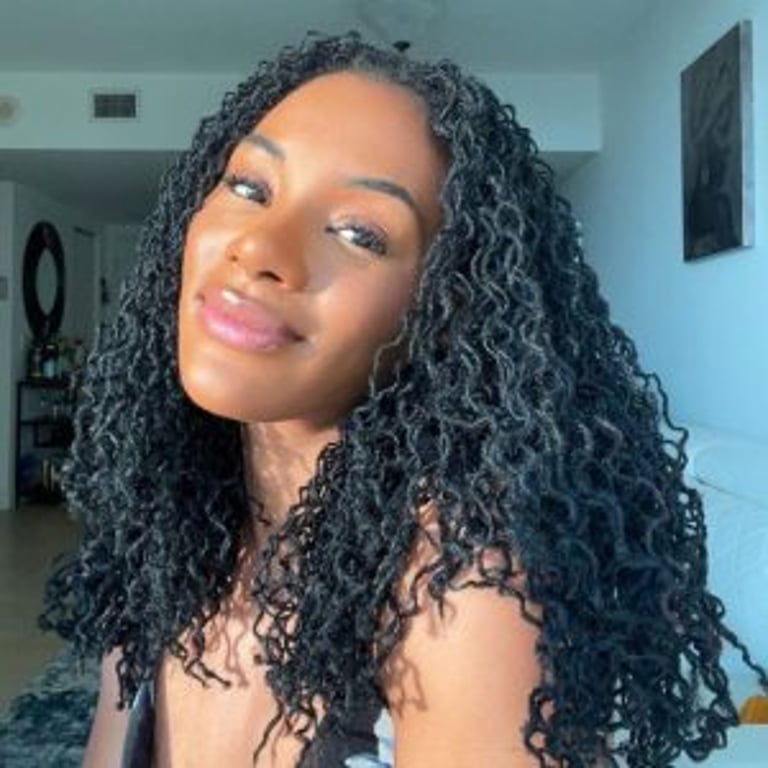
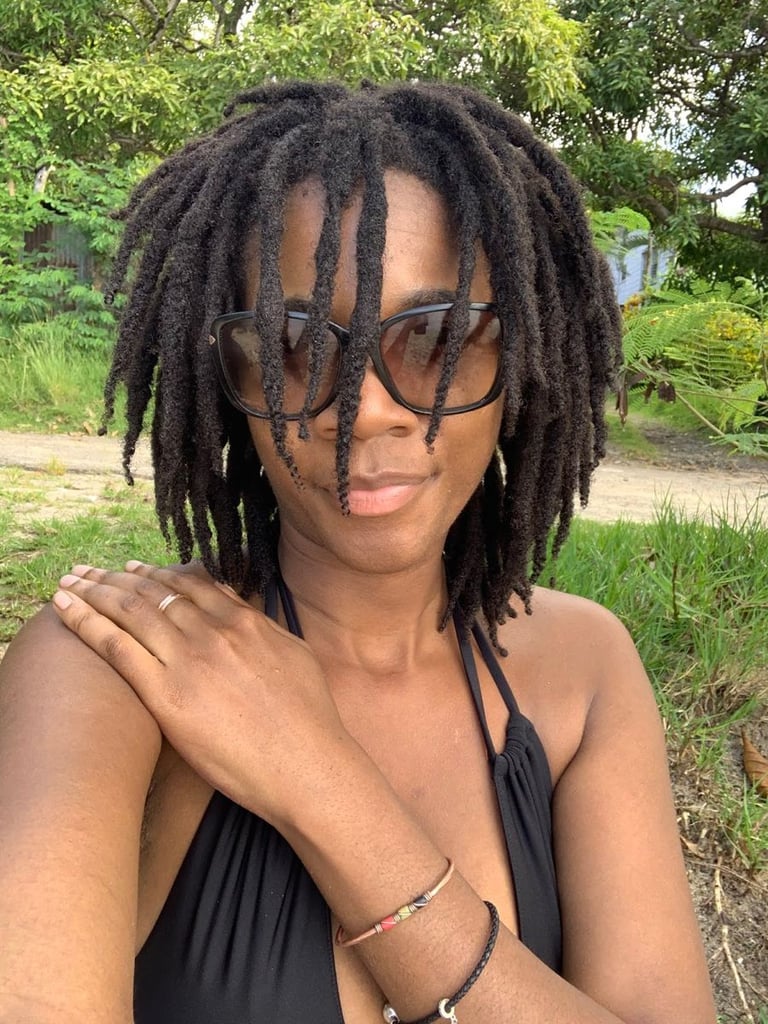
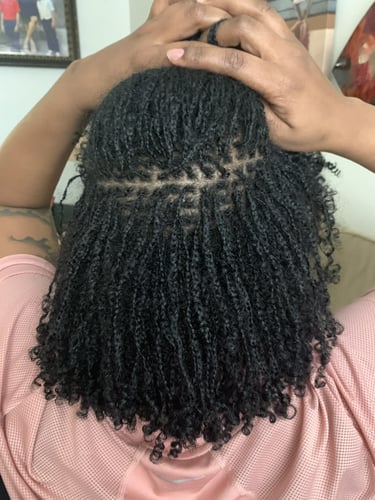
(Picture: Pinterest)
(Picture: Pinterest)
(Picture: Pinterest)
(Picture: Pinterest)
Brand
Follow us on social media for more!
Contact US
© 2026. All rights reserved.
FOUNDER / ABOUT
Useful Links
LEARN
BLOG
HAIRSTYLES